The Conservation Hub for Economic Empowerment of Rural Stakeholders
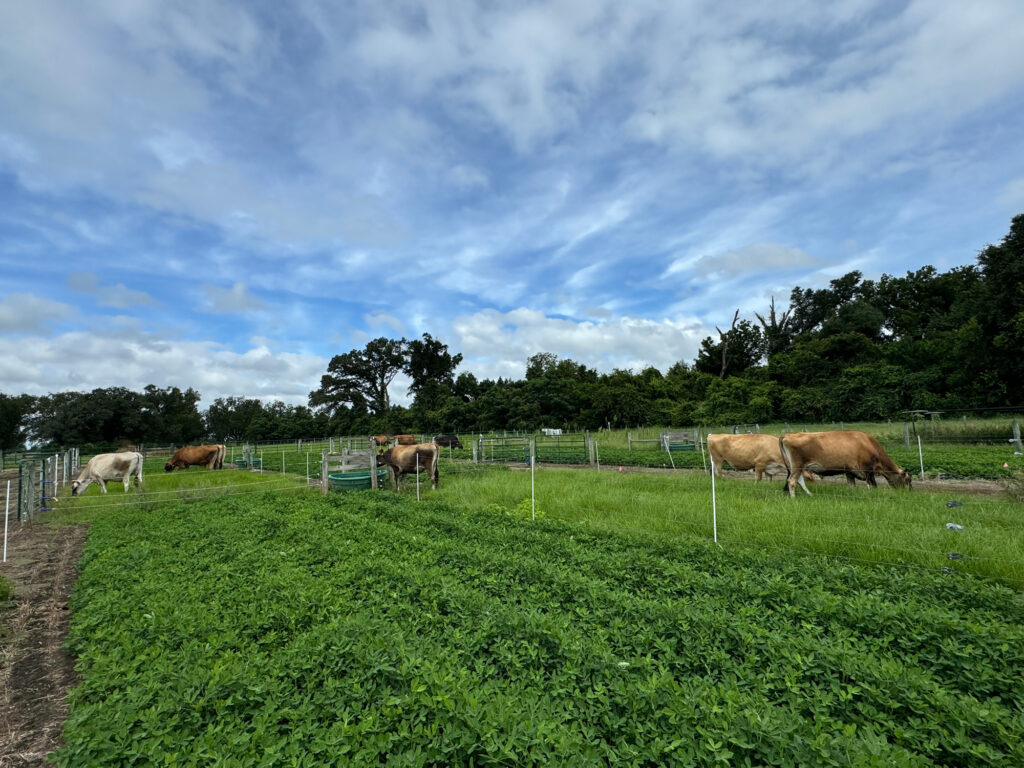
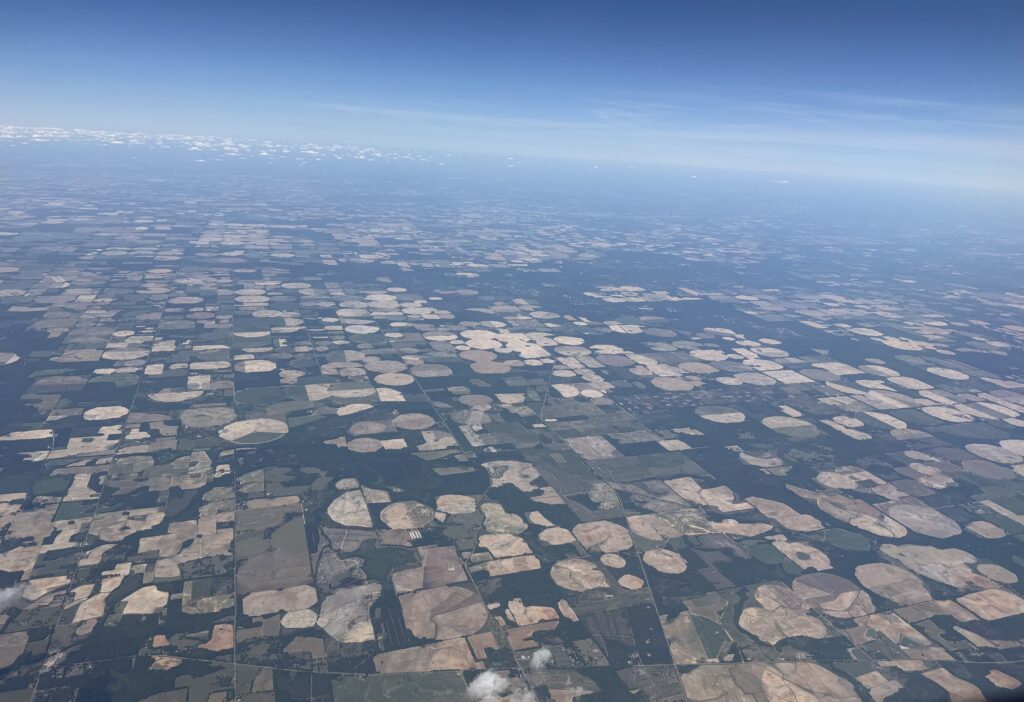
This project will be a game changer for our agricultural landscape in the Tri-State area of Florida Georgia, and Alabama. Currently, 95% of the 4.1 million acres of cropland in this region is let to fallow after harvesting the summer row crops. This productive land could be used for winter cropping systems, including integrated crop-livestock systems, oilseed crops, and grain crops. These winter cropping systems will create economic development and promote partnerships among farmers, including opportunities for the younger generation to start farming. Maintaining living roots in the ground year-round helps to build soil health and reduce nitrate leaching, helping our environment as well.
Learn More: Goals & Impact

Our HUB will bring stakeholders together to discuss challenges and opportunities to promote winter cropping systems in the Tri-State area. The stakeholder group will be embedded in the project leadership helping to finetune our actions and making our outcomes impactful to change the current scenario and understand the bottlenecks for adoption. We envision our team working together with the farming community and use their inputs to co-create opportunities in the agricultural sector and have positive social, economic, and environmental benefits to our region.
This is a five-year, sustainable agriculture systems project funded by USDA/NIFA. The long-term goal of CHEERS is to scale up the adoption of winter cropping systems in the region and enable the transitioning of the prevailing agricultural economy to a profitable, smart, circular bioeconomy.
At the center of this project are farmers and ranchers who will “co-create”, with an interdisciplinary team of researchers, extension educators and value chain stakeholder partners, the design, implementation and assessment components of the five-year project. This will involve a nontraditional, cross boundary and transdisciplinary approach to problem solving and the adoption of interwoven systems and practices that concurrently deliver multiple ecosystem services.