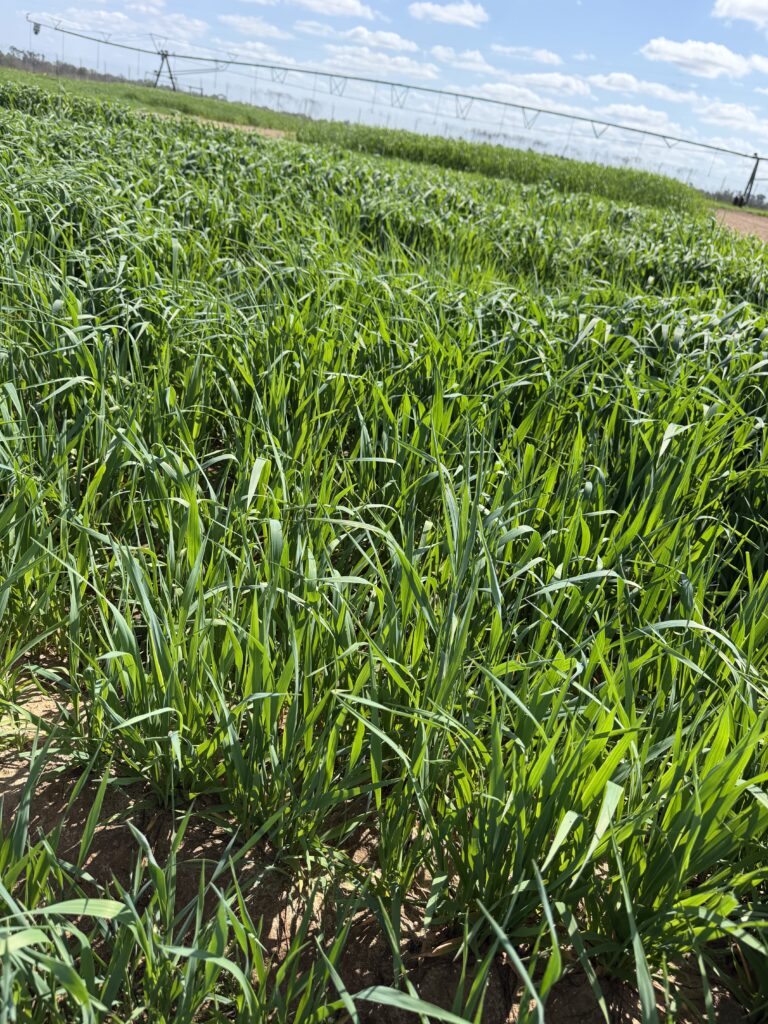
This project will form a hub of diverse stakeholder groups including farmers, Extension professionals, industry, and academia from Southeast US institutions to address the following project objectives:
- Identify long-term adaptive management patterns related to Winter Systems among producers
- Analyze farm level economic, managerial and environmental complementarities and trade-offs between current product systems and Winter cropping Systems
- Equip multiple stakeholders with decision support platforms to assess farm and regional scale economic, managerial and environmental complementarities and trade-offs between current and Winter Cropping Systems
- Co-develop and deliver actionable science of value to SE US producers
- Inspire and instruct the next generation. This project will enhance economic and social outcomes for rural stakeholders, reduce entry barriers for beginning farmers, sustainably intensify agricultural production, and create equitable pathways for the next generation of agricultural professionals to play a vital role in the climate-smart Bioeconomy.
Linking research outcomes to tools, The Southeast Grazing Exchange website is designed to link producers and landowners across the Southeastern states, making collaboration easier and more accessible. Its goal is to encourage the adoption of integrated crop-livestock systems by fostering partnerships among landowners, row crop farmers, and livestock producers.
Combining crops and livestock offers an effective strategy to address the challenges of the fallow season, while enhancing nutrient cycling, improving soil fertility, and boosting crop yields at lower costs. Livestock operations also gain advantages, such as access to higher-quality forage and opportunities for improved weight gains when grazing cool-season cover crops. In addition, grazing cover crops helps reduce nitrate leaching compared with leaving fields fallow.